
Goa Beyond the Beaches: A Slow Traveller’s Guide
By · October 21, 2026
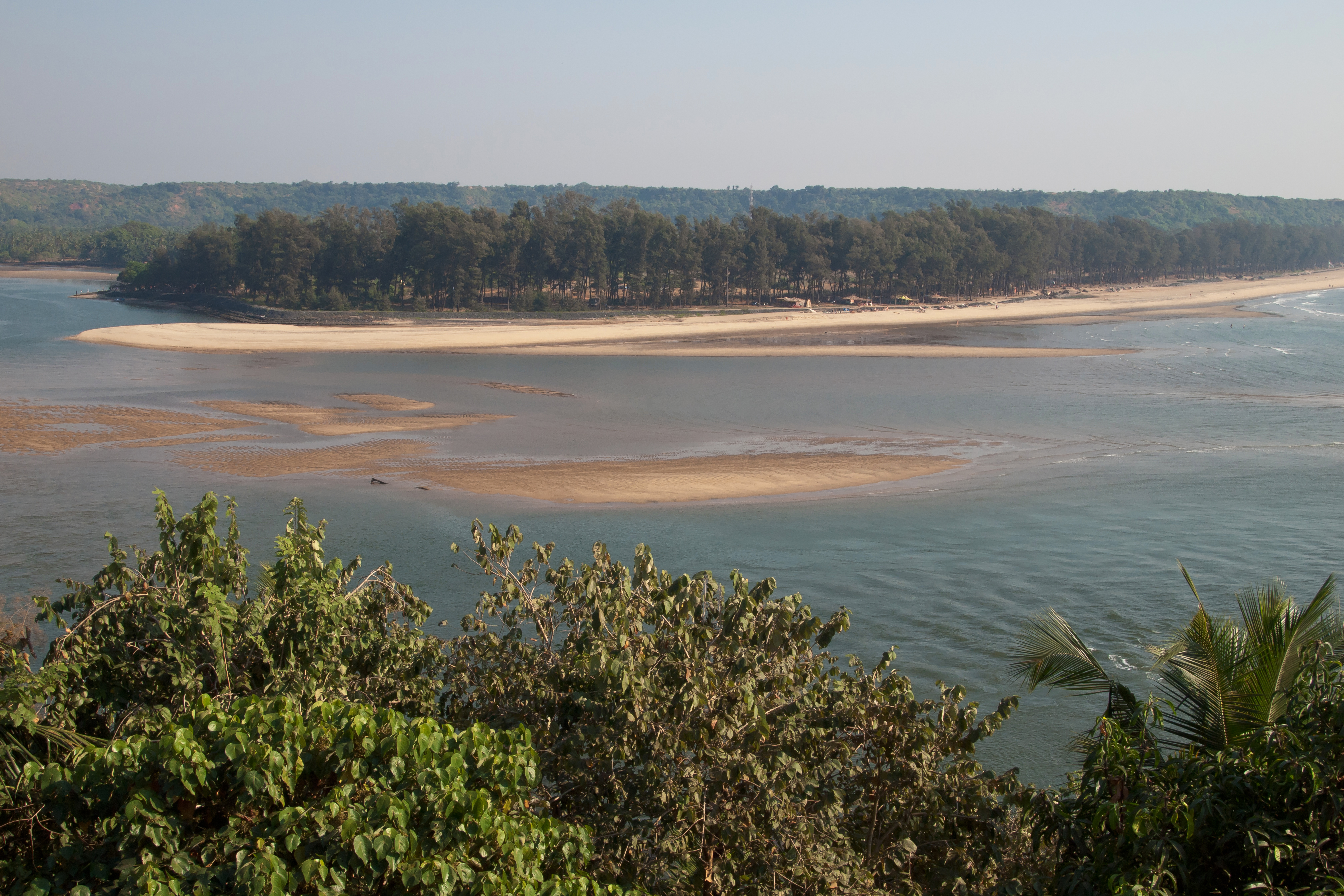
Most people picture Goa as one long party beach. That Goa exists, but it’s only part of the story. India’s smallest state also has 450 years of Portuguese history, whitewashed churches in the paddy fields, spice farms in the hills and southern coves where the loudest sound is a fishing boat coming in. This guide is for the slower version of Goa.
North or South?
The choice you make first shapes the whole trip.
North Goa (Calangute, Baga, Anjuna, Vagator, Arambol) is busy, social and full of beach shacks, night markets and live music. Good if you want energy.
South Goa (Palolem, Agonda, Patnem, Cola) is calmer, cleaner and more spread out. Good if you want to switch off.
Many travellers split their stay: a few nights in the north, then a slow finish in the south.
Panaji and the Latin Quarter
Goa’s capital is easy to skip, and you shouldn’t. Fontainhas, the old Latin Quarter, is a tangle of narrow lanes lined with ochre, blue and green Portuguese-era houses with tiled roofs and balconies. Walk it in the early morning before the heat sets in, then climb the steps to the Church of Our Lady of the Immaculate Conception, whose white zig-zag staircase is one of Goa’s best-known sights.
Old Goa: the churches
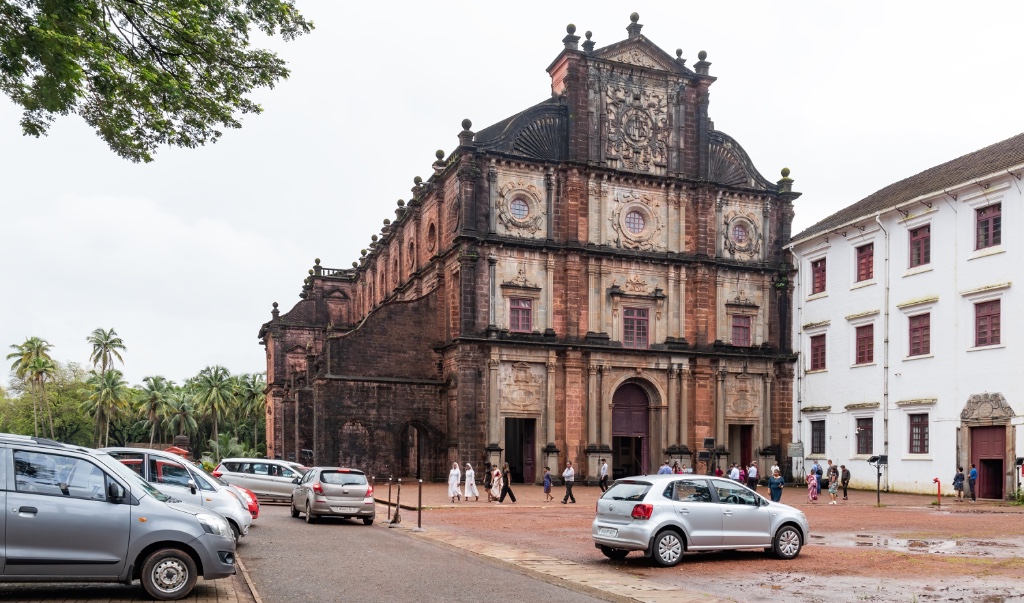
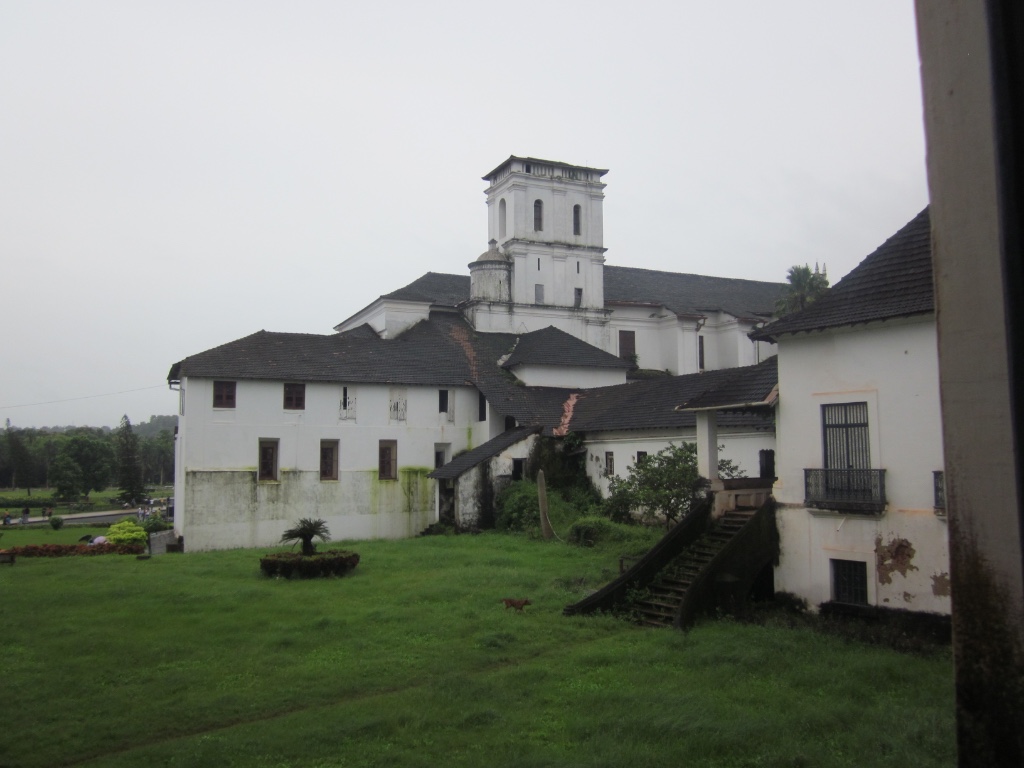
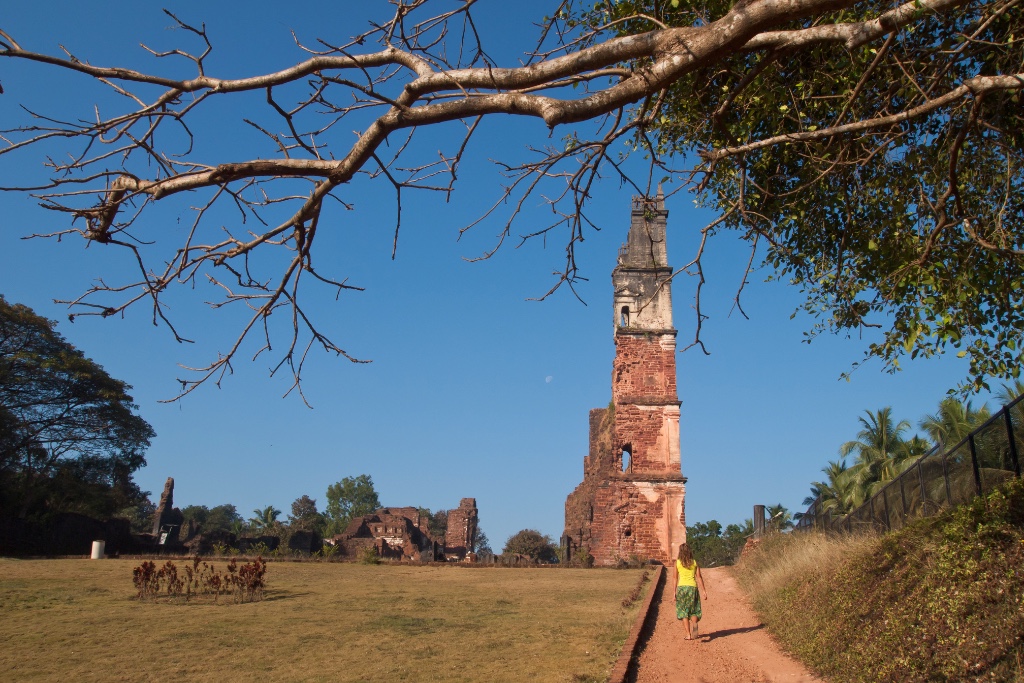
About 10 km east of Panaji, Old Goa was once the capital of Portuguese India. Its churches and convents are a UNESCO World Heritage Site. Don’t miss:
Basilica of Bom Jesus, which holds the remains of St. Francis Xavier.
Sé Cathedral, one of the largest churches in Asia.
Church of St. Cajetan, modelled on St. Peter’s in Rome.
Dress modestly (cover your shoulders and knees) and go on a weekday morning if you can.
Forts with a view
Chapora Fort in the north is mostly ruins now, but the sunset over Vagator beach and the Chapora river from its walls is worth the short climb. Aguada Fort has a 17th-century lighthouse looking out over the Arabian Sea. In the south, the quieter Cabo de Rama sits on a cliff with almost no crowds.
Into the hills
Dudhsagar Falls
On the Karnataka border, the four-tiered Dudhsagar Falls (“sea of milk”) pours down a forested cliff right next to a railway bridge. Most visitors go by shared jeep from Kulem through Bhagwan Mahavir Wildlife Sanctuary. Jeep access usually closes during the peak monsoon, so check before you go.
Spice plantations
Around Ponda you’ll find several spice farms that run guided walks through pepper, cardamom, nutmeg and vanilla, usually followed by a traditional Goan lunch on banana leaves. They make an easy half day, and they’re a good break from the sun.
Beaches worth the detour
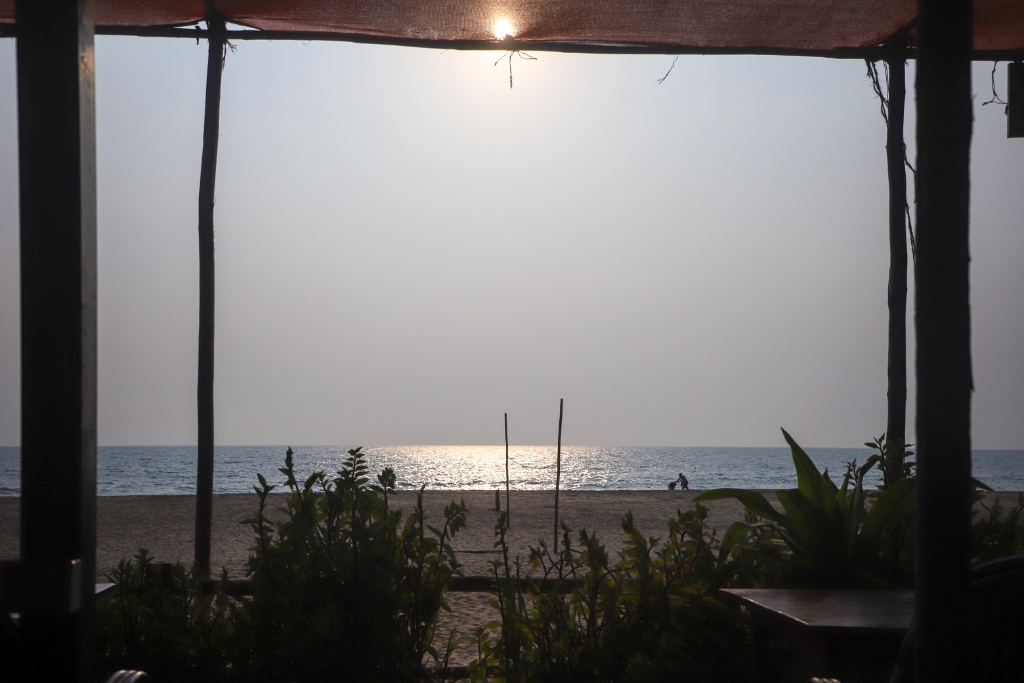
Palolem: a crescent of sand lined with palms. Lively but relaxed.
Butterfly Beach: a tiny cove near Palolem, easiest to reach by boat.
Cola Beach: a freshwater lagoon right next to the sea.
Arambol: far north, bohemian, with a sweet-water lake behind the cliffs.
Agonda: long, quiet and a nesting site for Olive Ridley turtles.
Markets
The Anjuna Flea Market runs on Wednesdays during the season. It sells everything from spices to silver to secondhand books. On Saturday evenings, the Arpora night market adds food stalls and live music. Bargain politely; the first price is rarely the last.
What to eat
Goan food mixes Konkan coastal cooking with Portuguese influence, and it alone is a reason to visit.
Fish curry rice: the everyday staple, tangy with kokum and coconut.
Chicken xacuti: a rich curry with roasted coconut and spices.
Pork vindaloo: the original, sharp with vinegar and garlic.
Poi: Goan bread from the local bakery, best eaten warm.
Bebinca: a layered coconut and egg dessert.
Feni: the local spirit, made from cashew or coconut. Try it with lime and soda.
Tip: the best fish thali is often in a small family place with plastic chairs and a handwritten menu, not on the beach.
When to go
November to February: dry, sunny and pleasant. This is peak season, so book early around Christmas and New Year.
March to May: hot and humid, but quieter and cheaper.
June to September: monsoon. Many beach shacks close and the sea is rough, but the countryside turns an unreal green and the waterfalls are at their best.
Getting there and around
Goa has two airports: Dabolim (GOI) in the south-centre and Manohar International (GOX) at Mopa in the north. Pick the one closer to where you’re staying. Trains on the Konkan Railway stop at Madgaon and Thivim.
Distances are short but public transport is patchy. Most visitors rent a scooter. Carry your licence and wear a helmet, because police checks are common. For longer trips, book a taxi through the government’s GoaMiles app or arrange one through your stay.
A few local courtesies
Beachwear is for the beach. Cover up in towns, markets and churches.
Swim only where lifeguards are posted, and respect the red flags.
Take your plastic back with you. Goa’s beaches depend on it.
Goa rewards people who slow down. Rent a scooter, take the long way through the villages, stop wherever looks interesting, and you’ll find a side of the state that most visitors miss. Open Wayspot to save these spots and plan your route.
Explore this on Wayspot
Save places, plan itineraries, and get directions on the go.
Places mentioned in this article
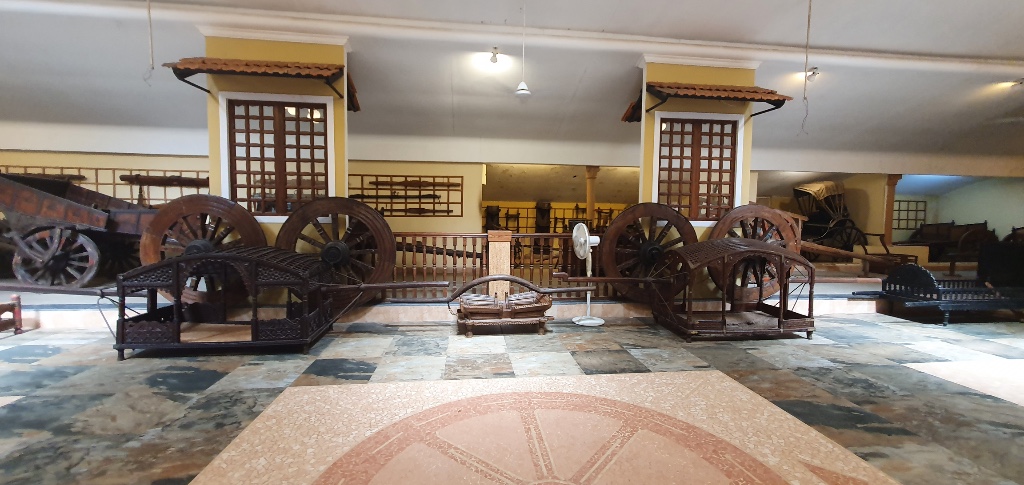
Goa Chitra Museum
Benaulim, India
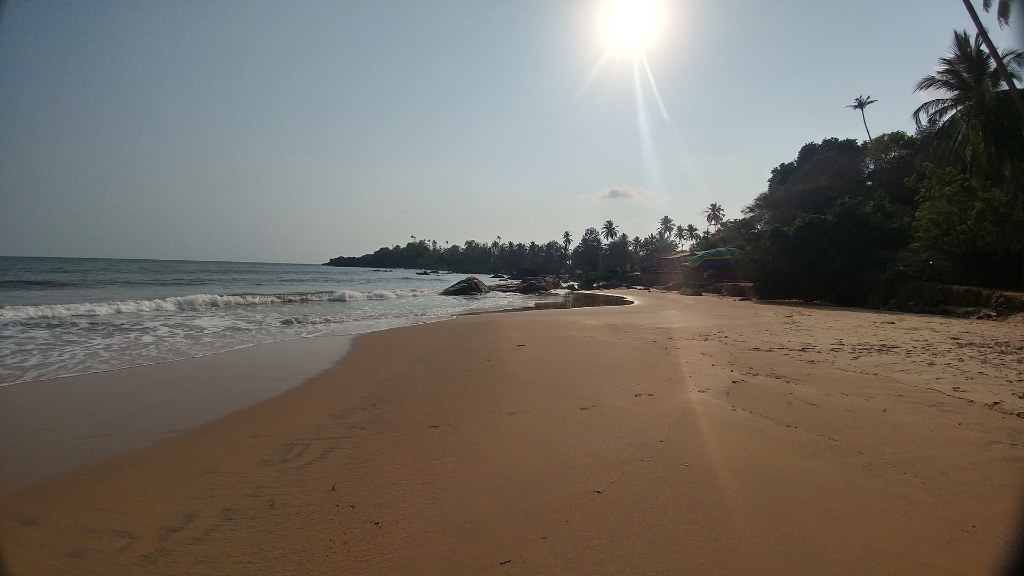
Patnem Beach
Canacona, India
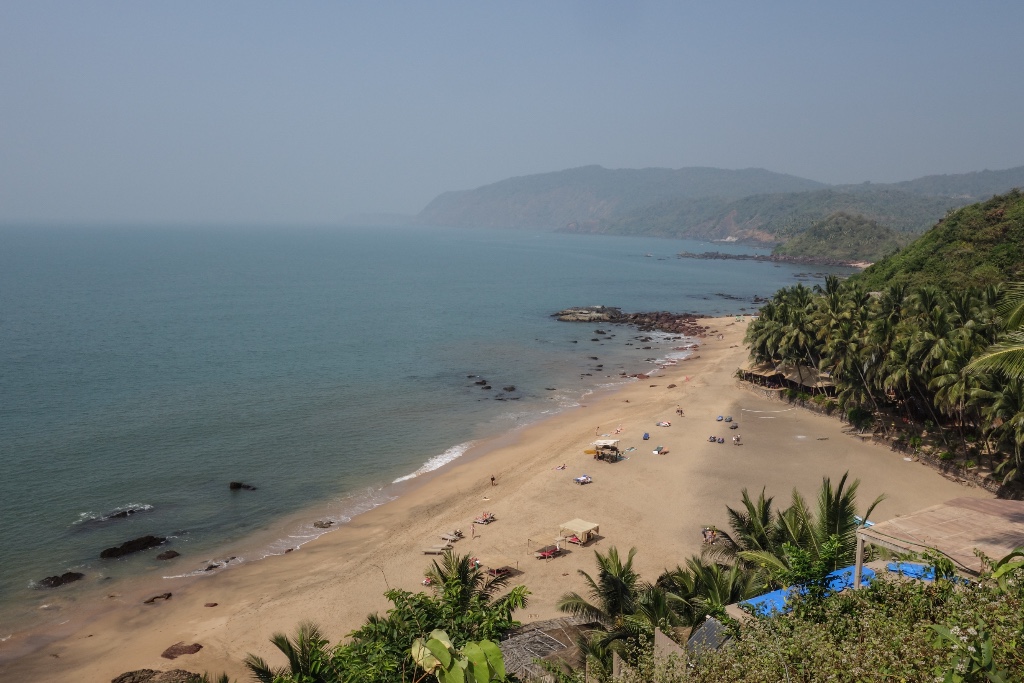
Cola Beach
Canacona, India
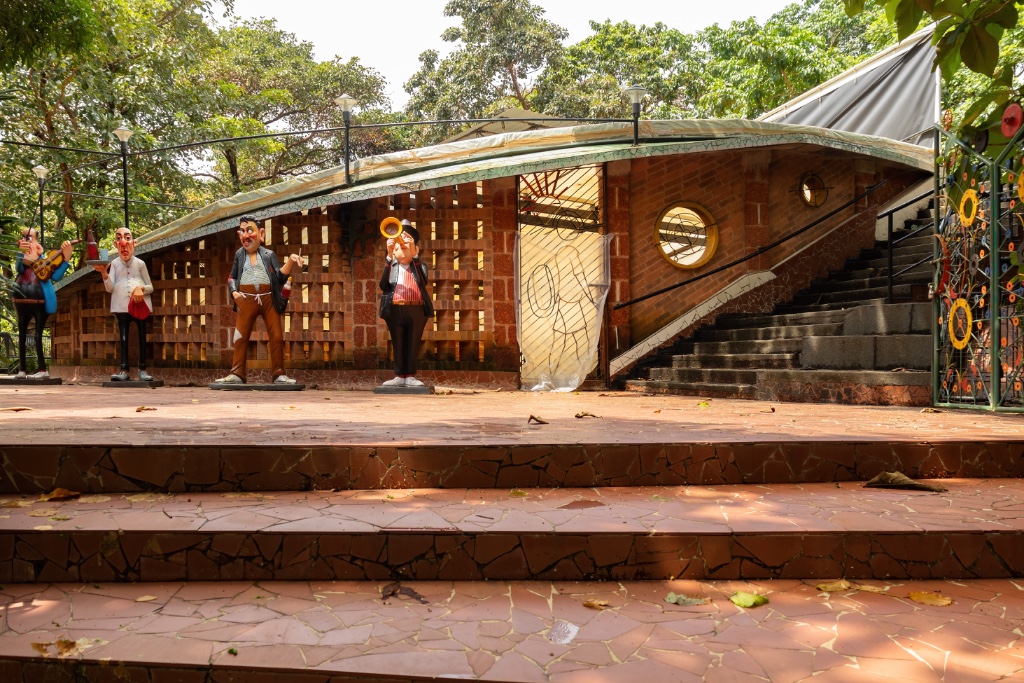
Houses of Goa Museum
Porvorim, India
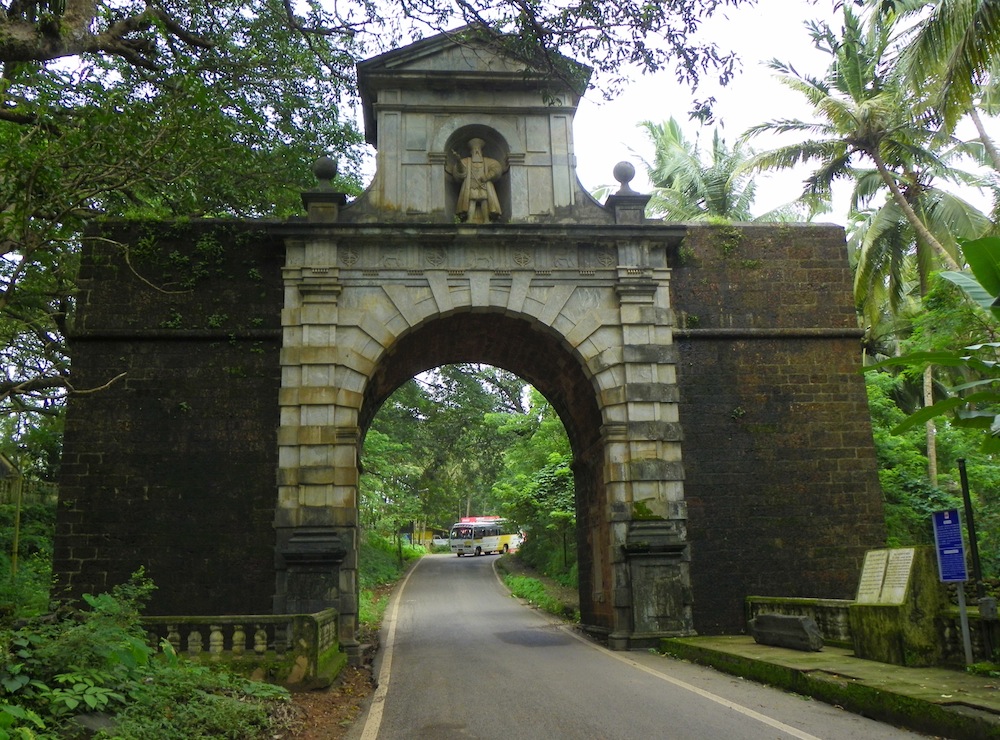
Viceroy's Arch
Old Goa, India
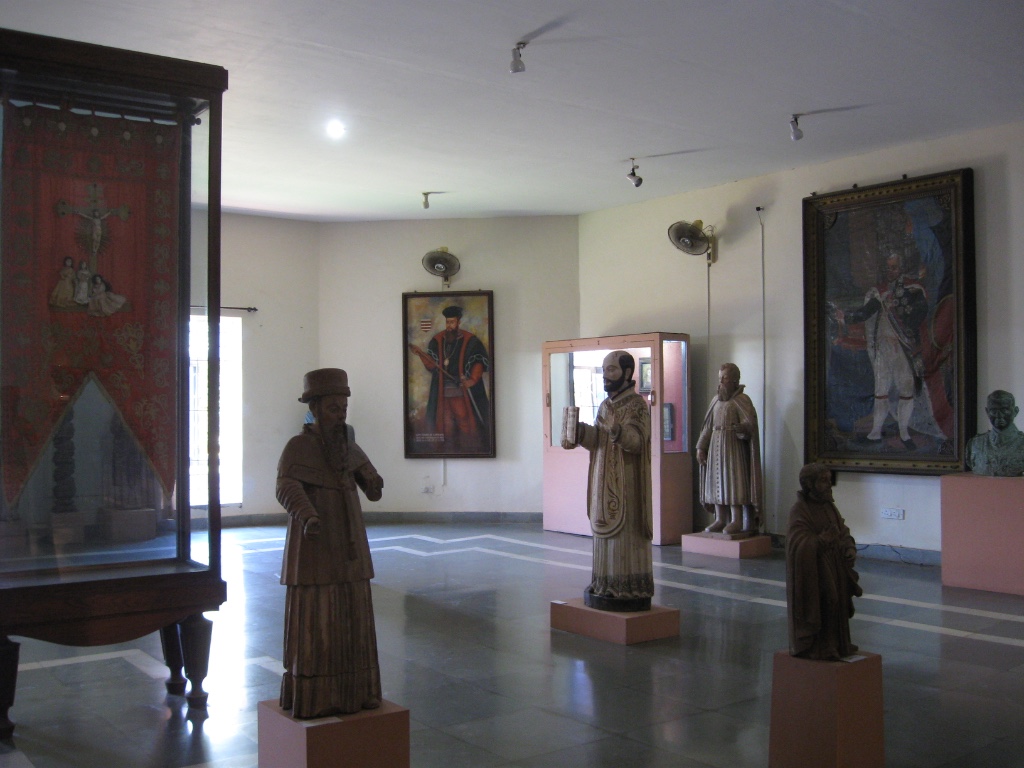
Goa State Museum
Panaji, India
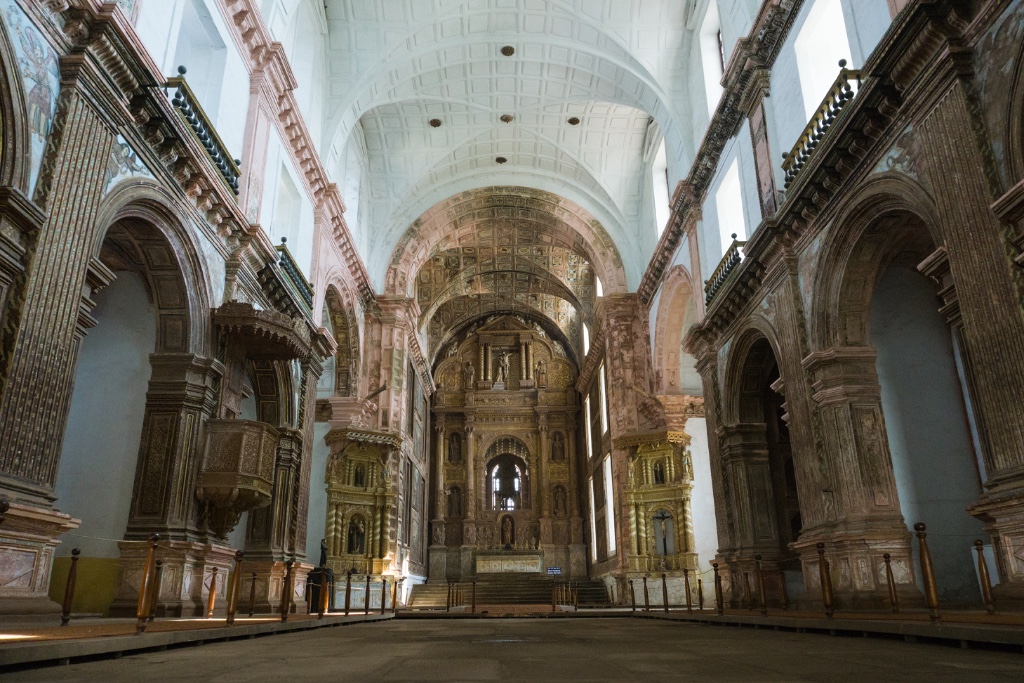
Church of St Francis of Assisi
Old Goa, India
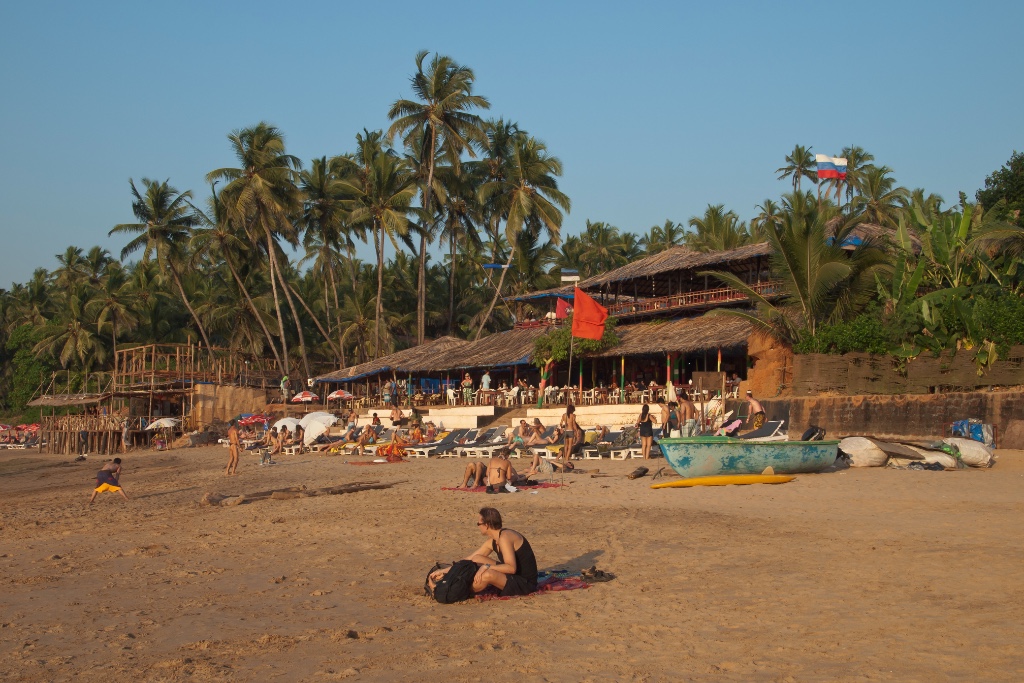
Anjuna Beach
Anjuna, India
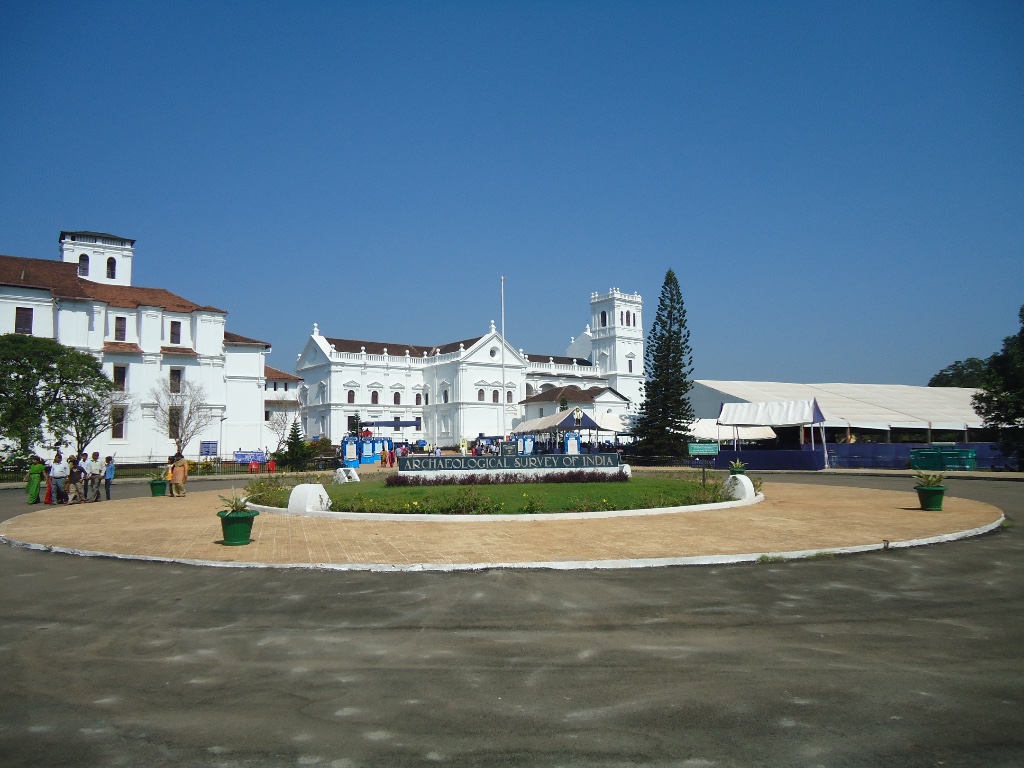
Archaeological Museum Old Goa
Old Goa, India
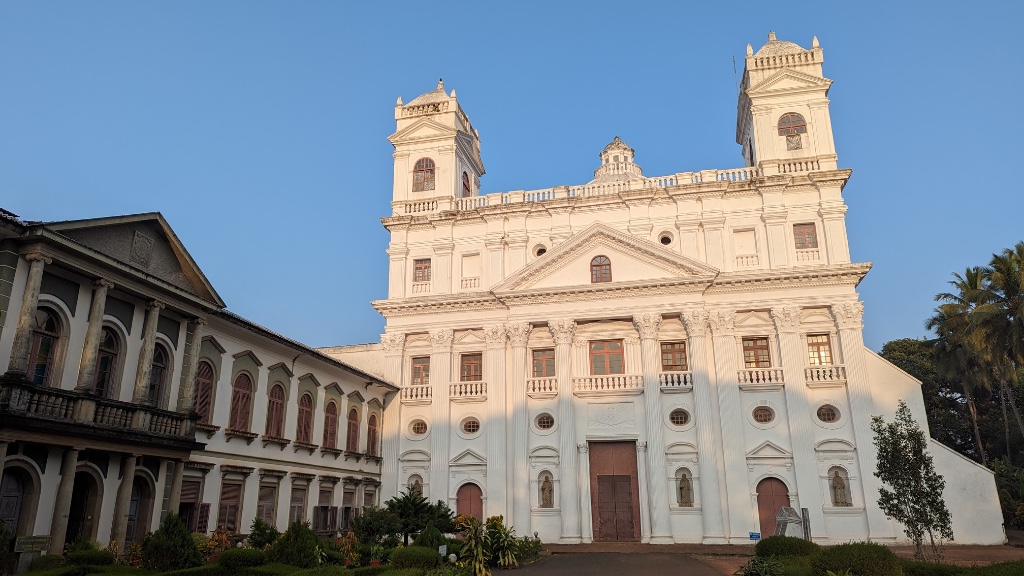
Church of St Cajetan
Old Goa, India
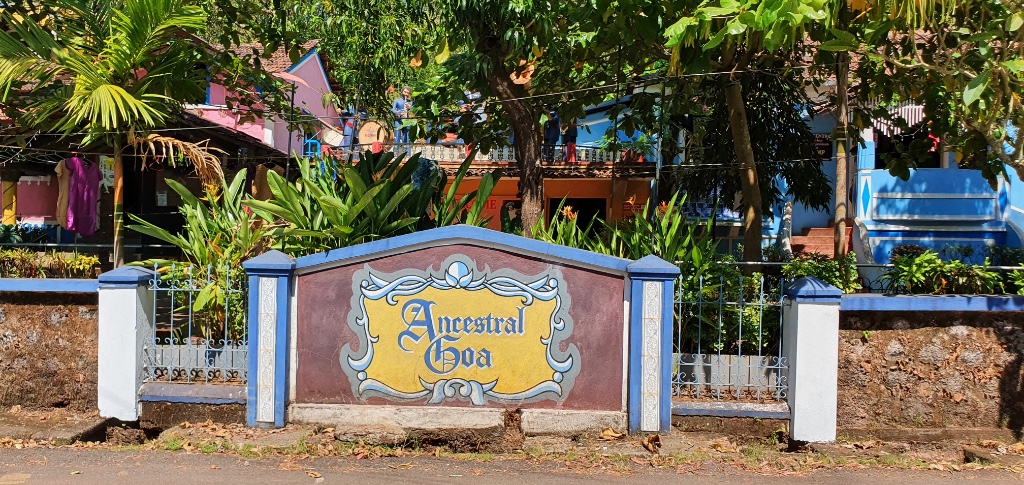
Ancestral Goa Big Foot
Loutolim, India
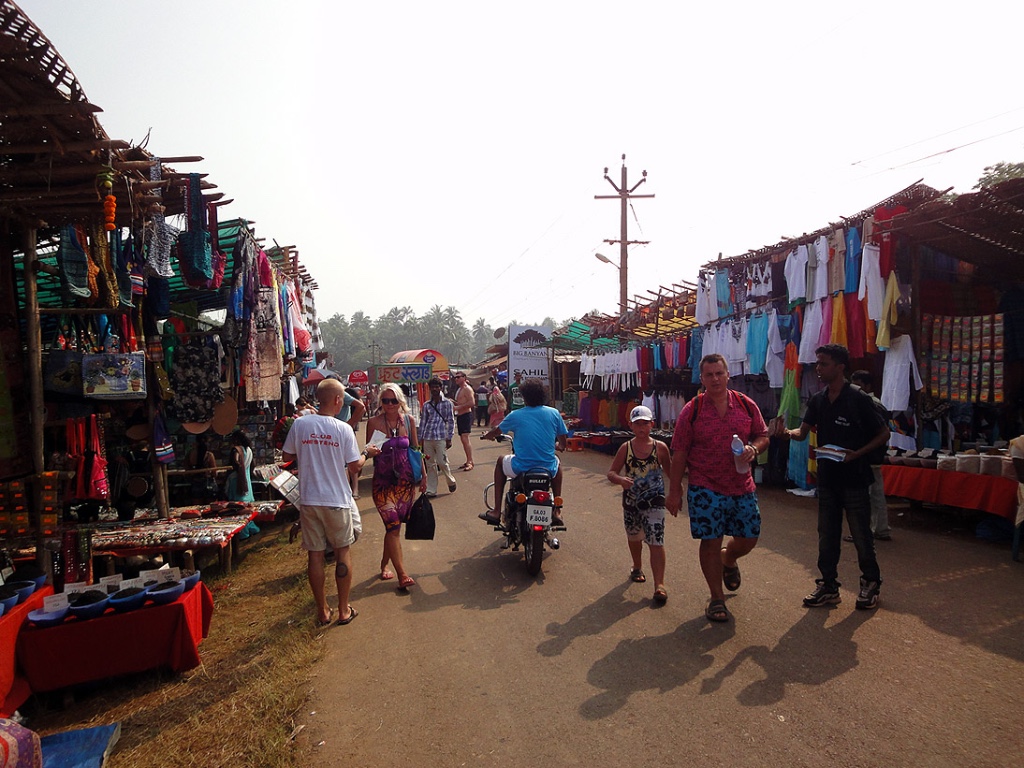
Anjuna Flea Market
Anjuna, India
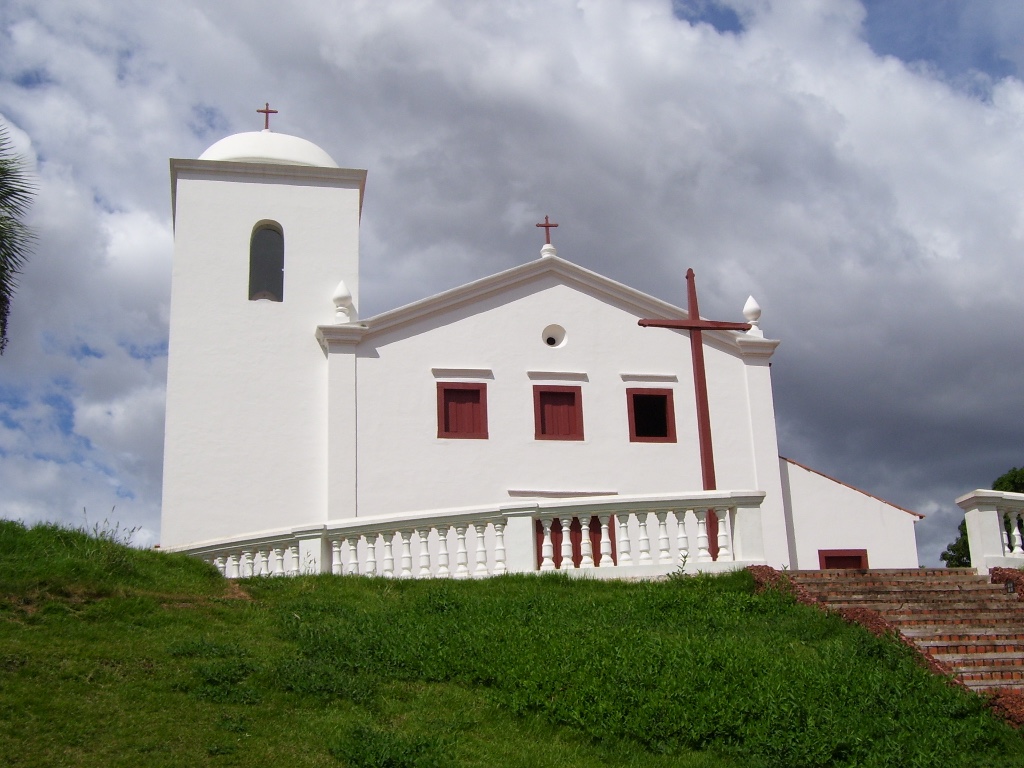
Church of Our Lady of the Rosary
Old Goa, India
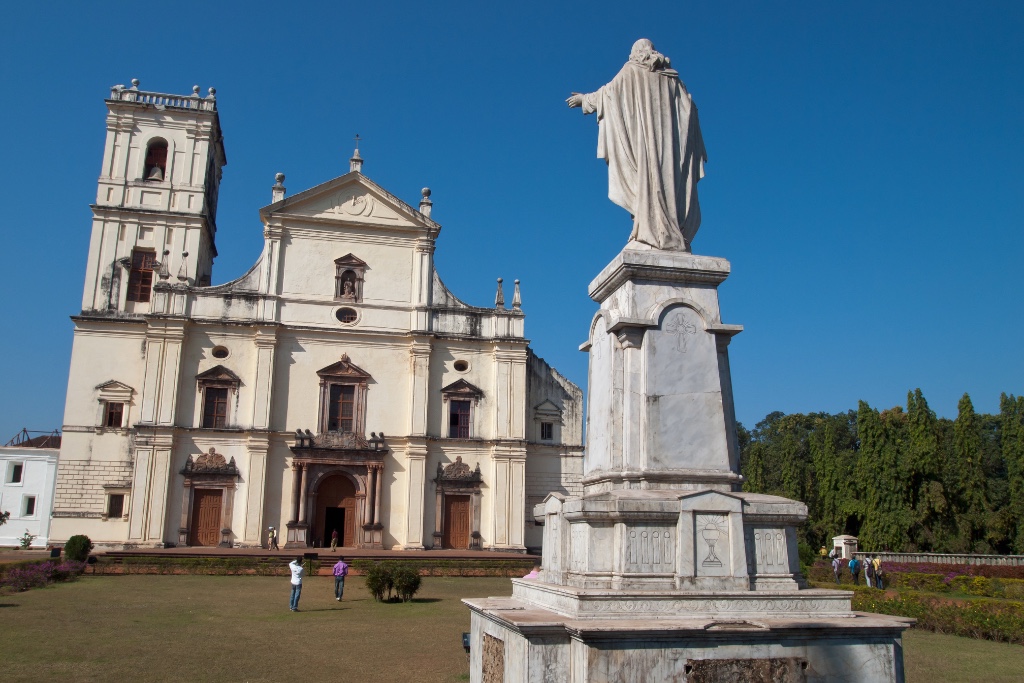
Se Cathedral
Old Goa, India
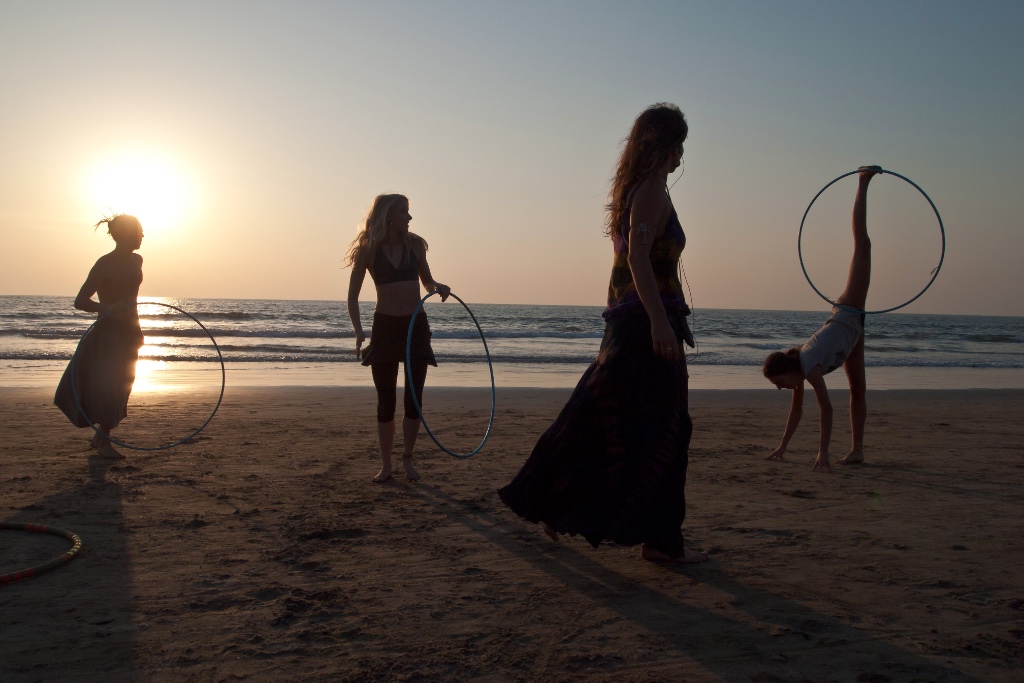
Arambol Beach
Arambol, India
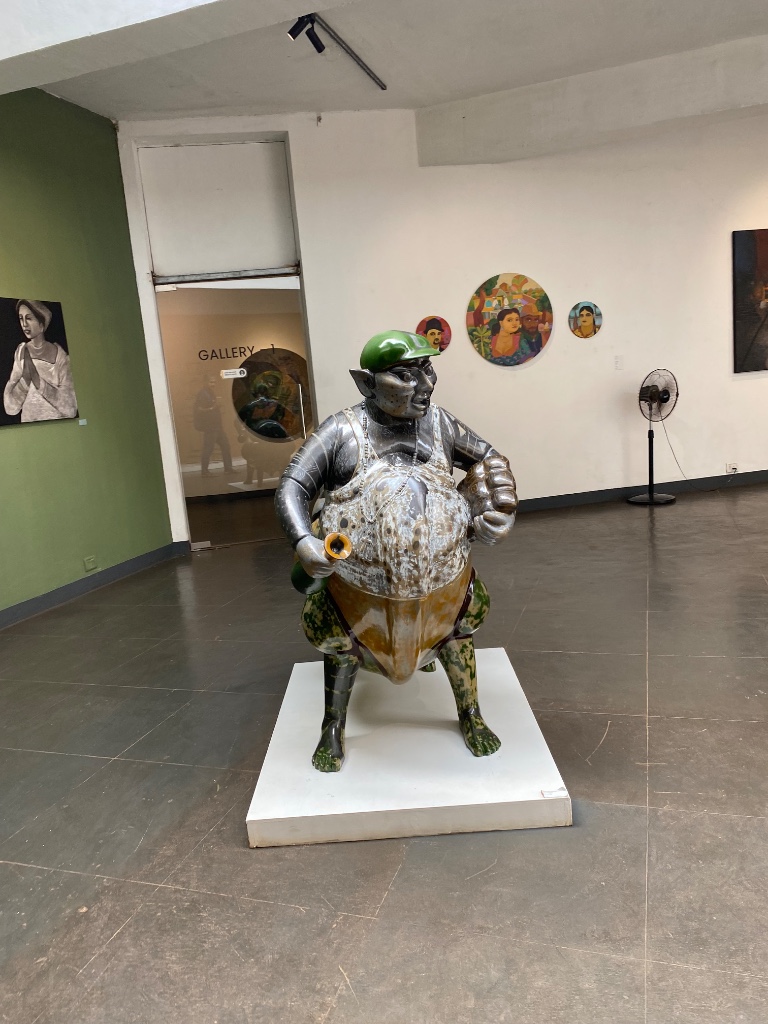
Museum of Goa
Pilerne, India
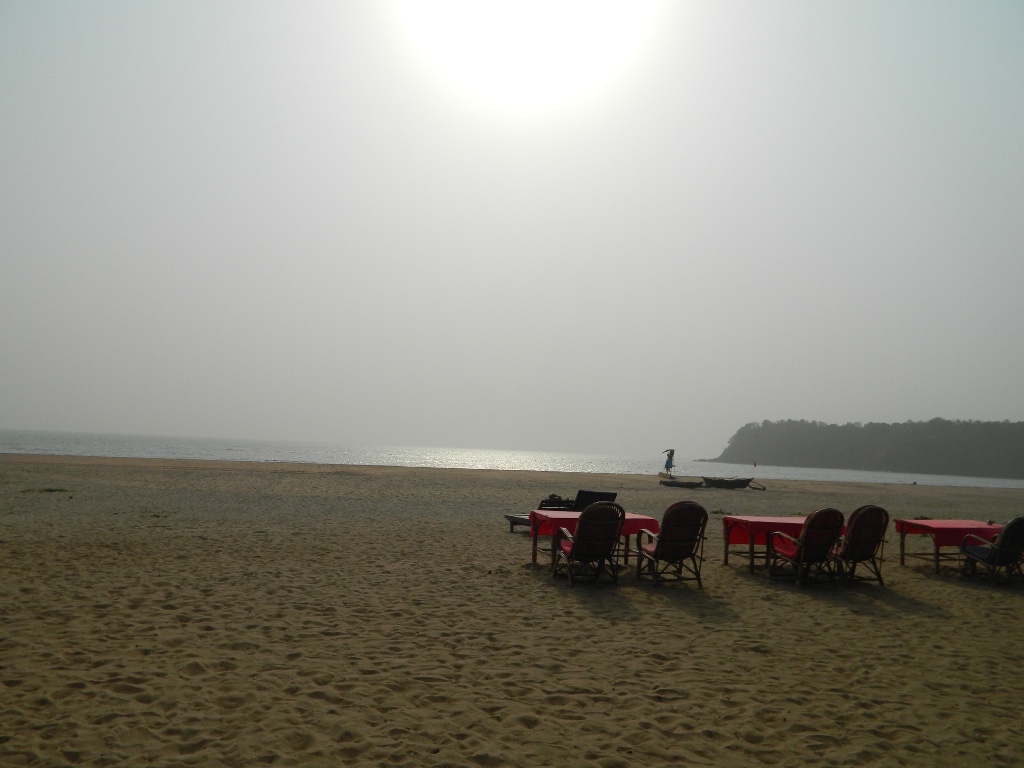
Agonda Beach
Agonda, India
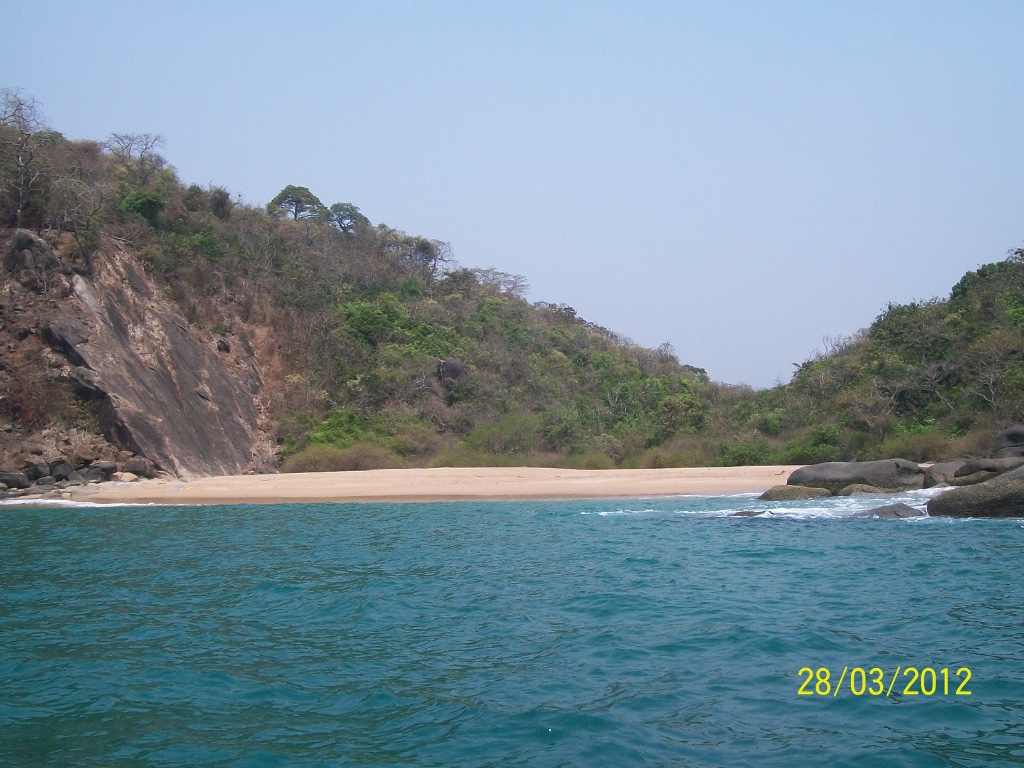
Butterfly Beach
Canacona, India
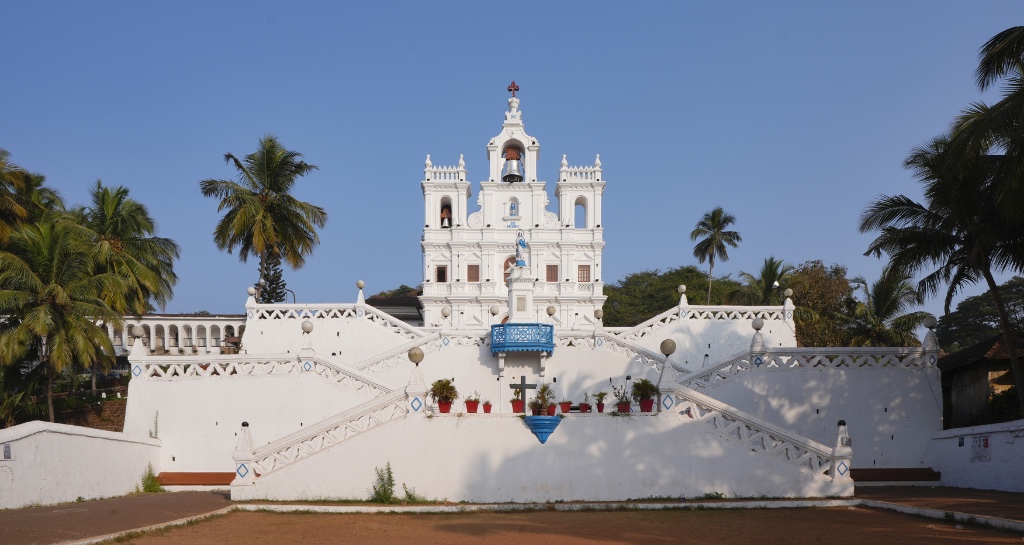
Our Lady of the Immaculate Conception Church
Panaji, India
Basilica of Bom Jesus
Old Goa, India

Museum of Christian Art
Old Goa, India
Palolem Beach
Canacona, India
Chapel of St Catherine
Old Goa, India
St Augustine Tower
Old Goa, India
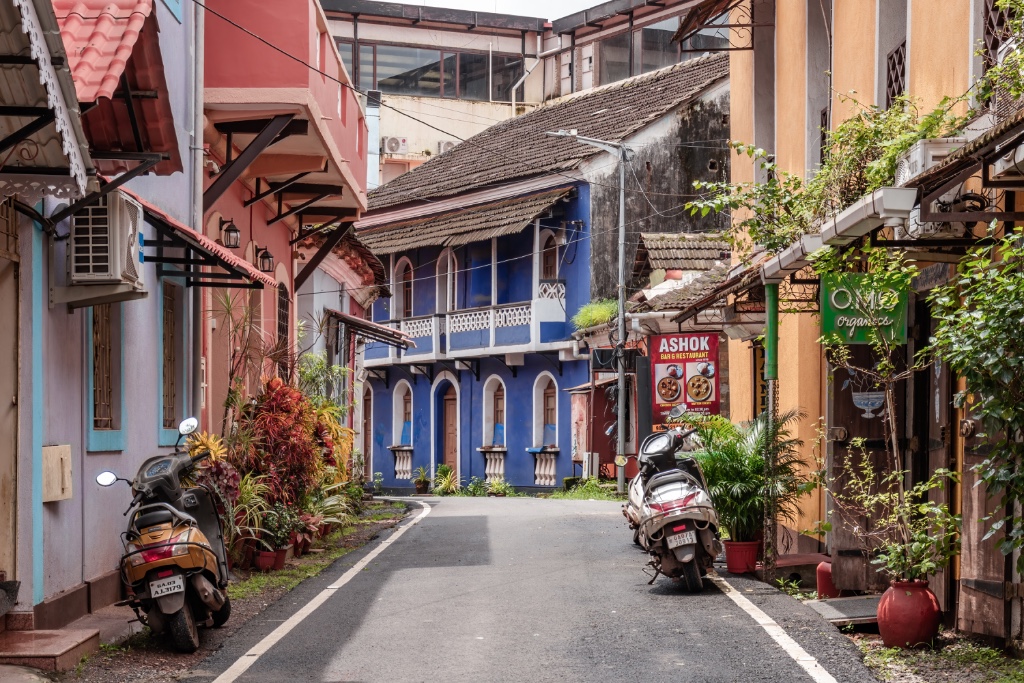
Fontainhas Latin Quarter
Panaji, India